Smoke and Carbon Monoxide Detector Hardwiring in Dallas
Need smoke or carbon monoxide detectors hardwired in Dallas, TX (75247)? High Power Electrical Services installs hardwired, interconnected smoke and CO alarms with battery backup, placed and wired to code, so when one alarm sounds, every alarm in the home sounds.
Quick Answer
Hardwired, interconnected smoke and carbon monoxide alarms are the gold standard for home safety. They draw power from your wiring with a battery backup, and because they are interconnected, when one detects danger they all sound, giving everyone in the home the earliest possible warning. A licensed electrician places and wires them to code so they protect every level and sleeping area.
When one alarm sounds, every alarm should sound
Few things in a home matter more than working smoke and carbon monoxide alarms. Smoke alarms give you the precious minutes to get out during a fire, and carbon monoxide alarms warn of a colorless, odorless gas that you cannot detect on your own. The difference between adequate protection and the best protection often comes down to how the alarms are powered and whether they are interconnected.
Hardwired alarms draw power from your home's wiring and include a battery backup, so they are not left vulnerable to a dead or missing battery, the reason so many alarms fail when they are needed most. Interconnection ties the alarms together so that when one senses smoke or carbon monoxide, every alarm in the home sounds at once. In a fire that starts far from the bedrooms, that whole-home alert can be the difference that wakes a sleeping family in time.
Placement is governed by code for good reason. Smoke alarms belong in every bedroom, outside each sleeping area, and on every level of the home, and carbon monoxide alarms belong near sleeping areas and on each level, especially in homes with fuel-burning appliances or an attached garage. We install them in the right locations rather than wherever is convenient, because coverage is what makes them work.
We hardwire and interconnect new alarms, upgrade battery-only setups to hardwired interconnected systems, replace old and expired detectors, and install combination smoke and CO units where they make sense. Whether it is a few alarms or a whole home, we make sure the protection is complete, code-compliant, and reliable.
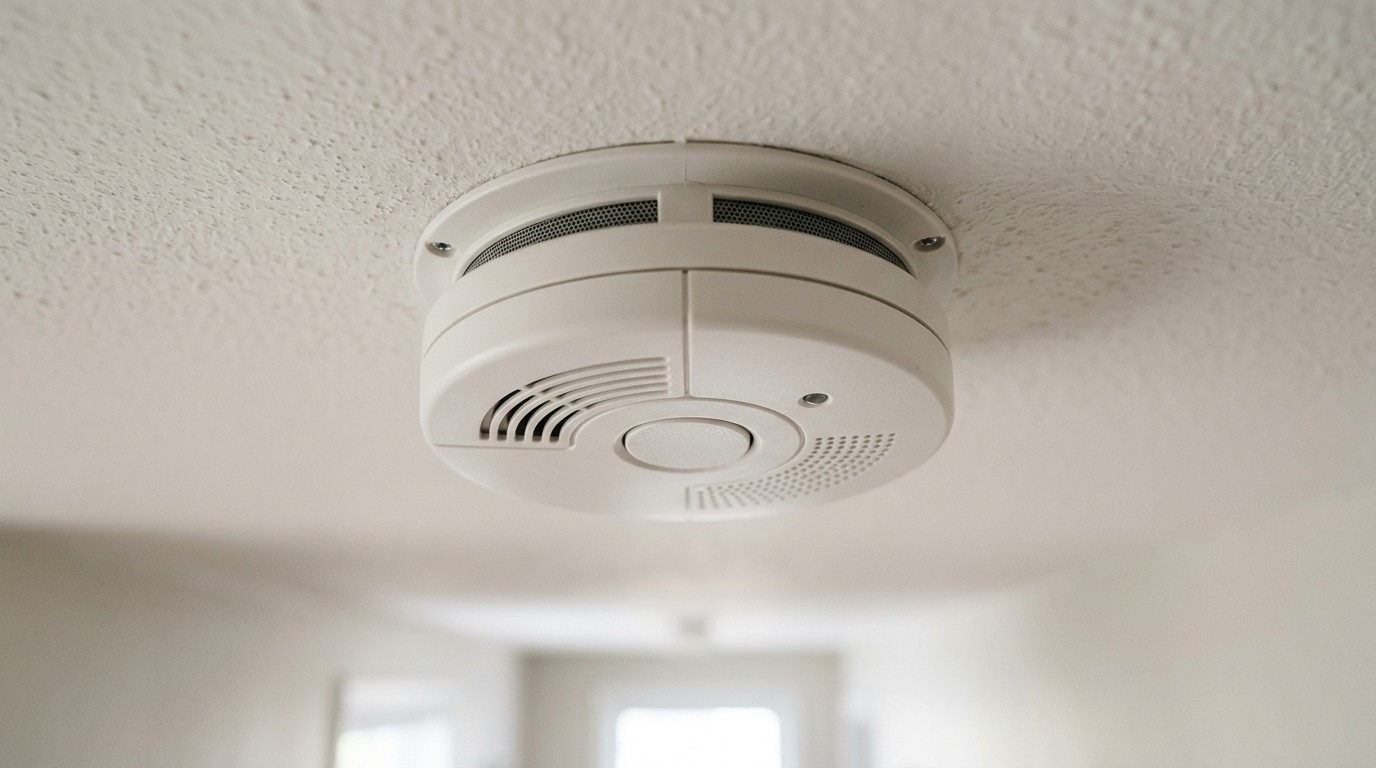
Interconnected alarms all sound together, warning the whole home at once.
When to hardwire or upgrade your alarms
If any of these apply, it is time to address your smoke and CO protection.
Old or expired detectors
Smoke and CO alarms have a limited lifespan and lose reliability as they age.
Chirping or false alarms
Persistent chirping or nuisance alarms often mean detectors at the end of their life.
Battery-only, not linked
Standalone battery alarms do not warn the whole home and can be left without a battery.
New construction or remodel
New and renovated homes are required to have hardwired, interconnected alarms.
Fuel-burning appliances
Gas furnaces, water heaters, ranges, and attached garages make CO alarms essential.
Rental compliance
Landlords need working, properly placed alarms to keep a property safe and compliant.
Why hardwired, interconnected alarms matter
This is one of the highest-value safety upgrades in any home. Here is what you gain.
Earliest warning
Interconnected alarms alert the whole home the moment one detects danger.
Reliable power
Hardwired with battery backup, not dependent on a single battery.
Whole-home alert
One alarm triggers them all, vital for fires far from bedrooms.
CO protection
Detects the colorless, odorless gas you cannot sense yourself.
Code compliance
Placed and wired to meet current safety requirements.
No more chirping
Fresh, properly powered alarms end the 3 a.m. chirp.
Correct placement
Coverage on every level and sleeping area.
Peace of mind
Confidence that your family will be warned in time.
Are your alarms old, chirping, or not linked?
We hardwire and interconnect smoke and CO alarms to code. Get a free assessment and an honest quote.
(469) 327-8678How alarm hardwiring and interconnection works
We start with a coverage plan based on code and your home's layout. Smoke alarms go in every bedroom, outside each sleeping area, and on every level, and carbon monoxide alarms go near sleeping areas and on each level, with extra attention to homes that have gas appliances or an attached garage. We map the right locations first, because an alarm in the wrong place, or a missing one, is a gap in protection.
Then we hardwire and interconnect. Each alarm is wired to your home's power with a battery backup, and the alarms are linked so that when one senses smoke or carbon monoxide, they all sound together. Interconnection can be done with a traditional interconnect wire or, where running new wire is impractical, with reliable wireless-interconnect alarms that link the same way without pulling cable through finished walls. We choose the approach that fits your home.
Finally we install the right devices and test the system. We use quality smoke, carbon monoxide, or combination units suited to each location, mount and connect them properly, and then test that every alarm triggers the rest. We also explain the test and the replacement schedule, so you know how to keep the system reliable. The result is complete, interconnected, code-compliant protection throughout the home.
Smoke versus CO, interconnection, and when to replace
Smoke and carbon monoxide alarms protect against different dangers, and a complete home needs both. Smoke alarms detect the particles of a fire and give you time to escape. Carbon monoxide alarms detect a poisonous gas produced by incomplete combustion, from a malfunctioning furnace, water heater, range, or a vehicle in an attached garage, that has no color or smell. Combination units cover both in one device where that suits the location, and we place the right type in the right spots.
Interconnection is the feature that most improves real-world safety. With standalone alarms, a fire in the garage or a far room might sound only that one alarm, which sleeping occupants may never hear. Interconnected alarms all sound at once, so the whole household is warned no matter where the danger starts. It is the single biggest reason to move beyond a patchwork of unlinked battery units.
Replacement intervals surprise many homeowners. Smoke alarms generally should be replaced about every ten years, and carbon monoxide alarms sooner, often every five to seven years, because their sensors degrade over time. Replacing the battery is not the same as replacing an expired unit, and a detector past its life may not respond when it counts. We check the age of your alarms and replace what is due.
Smoke and CO alarm hardwiring
Every High Power alarm installation is complete, interconnected, and tested for reliable protection.
- A code-based coverage plan for the whole home
- Smoke alarms in bedrooms, hallways, and each level
- CO alarms near sleeping areas and each level
- Hardwired power with battery backup
- Interconnection by wire or reliable wireless link
- Combination smoke and CO units where suited
- Quality detectors appropriate to each location
- Replacement of old or expired units
- Full system test that all alarms trigger together
- Guidance on testing and replacement intervals
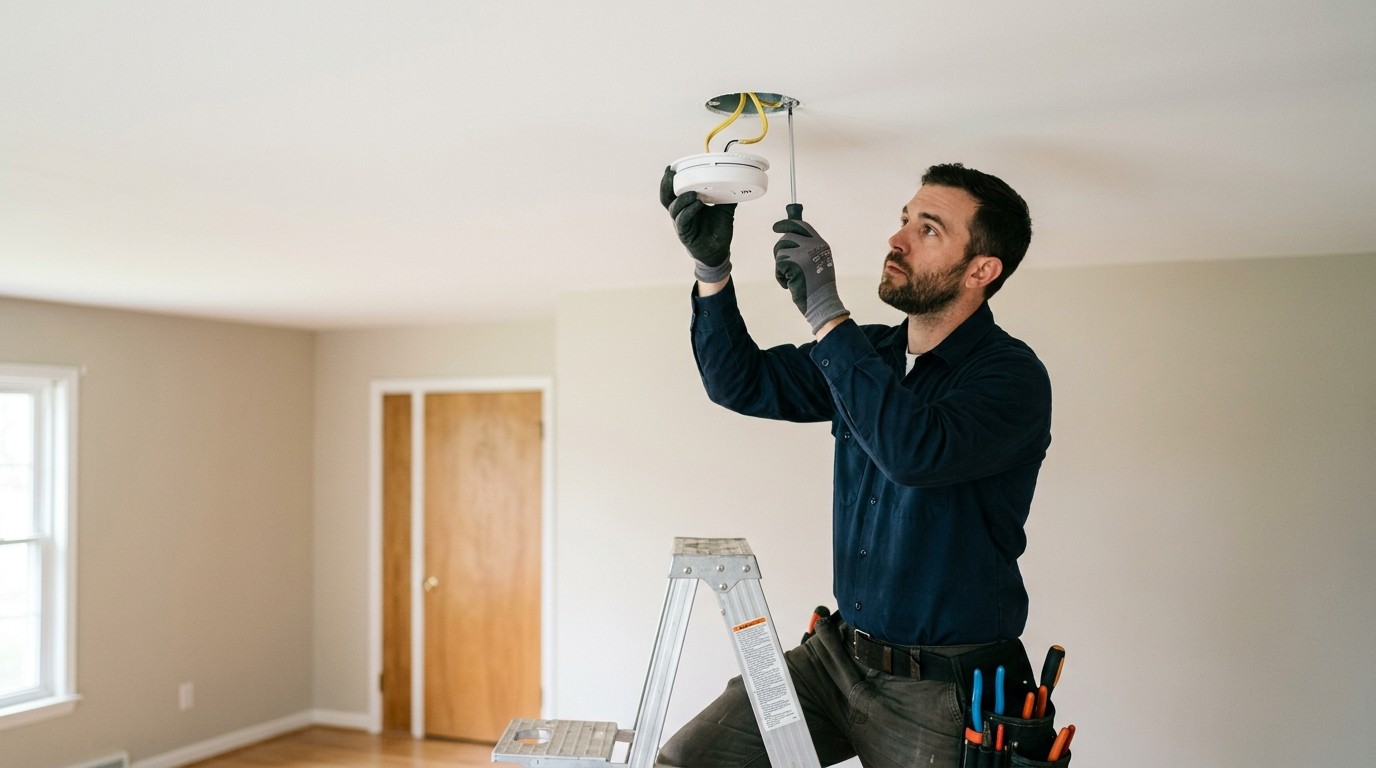
Battery-only versus hardwired interconnected
With life-safety alarms, the setup matters. Here is the honest comparison.
DIY or unlicensed
- A dead or missing battery leaves an alarm useless
- Standalone alarms warn only their own area
- Gaps in coverage and incorrect placement
- Expired units that may not respond
- A fire far from bedrooms may go unheard
- Chirping units silenced instead of replaced
Licensed electrician
- Hardwired power with battery backup
- Interconnected alarms that warn the whole home
- Code-based coverage on every level and bedroom
- Current units within their service life
- The whole household alerted no matter the source
- Expired alarms properly replaced
What affects the cost of alarm hardwiring
Pricing depends on the number of alarms and the wiring, not a flat fee. These are the main factors.
Number of alarms
More locations to cover means more devices and labor.
Replace or add new
Swapping existing hardwired units is less than adding alarms to new locations.
Interconnection method
Running interconnect wire versus using wireless-link alarms affects the approach.
Combination units
Combination smoke and CO devices differ in cost from single-function alarms.
Access
Locations behind finished ceilings or hard to reach take more time.
Code additions
Bringing an older home up to current coverage may add alarms.
These are general planning ranges for the Dallas area, not a quote. Every job is different, so we give you a free on-site assessment and an honest written price before any work starts.
Our alarm hardwiring process
From the first call to complete protection, here is how we handle it.
Assess coverage
We map the code-required locations for your home's layout.
Recommend devices
We advise smoke, CO, and combination units for each spot.
Honest quote
You get a clear written price before any work begins.
Hardwire the alarms
We wire each alarm to power with battery backup.
Interconnect
We link the alarms by wire or reliable wireless interconnect.
Test the system
We confirm every alarm triggers all the others.
Explain upkeep
We show you how to test and when to replace each unit.
How long it takes and what to expect
Replacing existing hardwired alarms or installing a handful of interconnected units is often a same-visit job. Adding alarms to new locations, running interconnect wiring, or bringing an older home up to full code coverage takes longer, and wireless-interconnect alarms can speed up retrofits where pulling wire is impractical. We give you a clear estimate during the assessment.
When we finish, your home has complete, interconnected smoke and carbon monoxide protection, every alarm tested to trigger the others, and you understand how to keep it reliable. It is a quiet upgrade you hope never to need, and exactly the kind that matters most when you do.
Alarm safety in Dallas homes
Carbon monoxide risk is real in any home with fuel-burning appliances, and gas furnaces, water heaters, and ranges are common across the Dallas area, as are attached garages. That makes proper CO protection near sleeping areas and on every level genuinely important here, alongside the smoke protection every home needs.
The range of housing ages shapes what we find. Older homes frequently have battery-only alarms, too few of them, or expired units that have not been replaced in many years, while newer homes have hardwired interconnected systems that eventually need their aging detectors swapped. Both situations are common reasons homeowners call.
Rentals and home sales add further reasons. Landlords need working, properly placed alarms to keep tenants safe and a property compliant, and home transactions often surface alarm coverage as something to address. In each case, a licensed installation gives documented, code-compliant protection.
Because we install and interconnect alarms throughout the metro, we know the code coverage requirements, how to retrofit older homes efficiently with wired or wireless interconnection, and how to place devices for real protection. The goal is simple and serious: the earliest possible warning for everyone in the home.
The licensed Dallas team homeowners trust
Licensed pros
Texas TECL #38291 electricians who place and wire alarms to code.
Upfront pricing
A clear written price before we start, with no surprises.
Interconnection done right
Wired or wireless links so all alarms sound together.
We answer 24/7
Real people on the phone, with easy scheduling.
Smoke and CO detector FAQs
Hardwired alarms draw power from your wiring with a battery backup, so they are not left useless by a dead or missing battery, the most common reason alarms fail. Combined with interconnection, hardwired alarms are the most reliable protection, which is why they are the standard for new and renovated homes.
Interconnected alarms are linked so that when one detects smoke or carbon monoxide, every alarm in the home sounds at once. This is critical for danger that starts far from the bedrooms, since it warns the whole household rather than sounding only one distant alarm a sleeping family might not hear.
Smoke alarms belong in every bedroom, outside each sleeping area, and on every level. Carbon monoxide alarms belong near sleeping areas and on each level, with particular importance in homes with fuel-burning appliances or an attached garage. We place them to code for full coverage.
Smoke alarms generally should be replaced about every ten years, and carbon monoxide alarms sooner, often every five to seven years, because their sensors degrade. Replacing the battery is not the same as replacing an expired unit, which may not respond when needed. We check the age and replace what is due.
Smoke alarms detect the particles of a fire, while carbon monoxide alarms detect a poisonous, colorless, odorless gas from incomplete combustion. They protect against different dangers, so a complete home needs both. Combination units cover both in one device where that suits the location.
Yes. Upgrading standalone battery alarms to a hardwired, interconnected system is one of the most valuable safety improvements we do. Where running interconnect wire is impractical, we can use reliable wireless-interconnect alarms that link the same way without pulling cable through finished walls.
Persistent chirping often means a low backup battery or, just as commonly, a detector at the end of its life. If alarms are old or expired, the right fix is replacing the units rather than just silencing them, since an aged detector may not respond reliably.
Yes, that makes them especially important. Gas furnaces, water heaters, and ranges, and an attached garage, can all produce carbon monoxide, which you cannot see or smell. CO alarms near sleeping areas and on each level are essential protection in homes with these.
Yes. Where pulling interconnect wire through finished walls is impractical, we install reliable alarms that interconnect wirelessly, so they all sound together just like hardwired ones. It is an efficient way to bring full interconnection to an existing home.
Treat it as an emergency. Get everyone out into fresh air and call 911 or the fire department from outside, and do not re-enter until it is declared safe. After the situation is handled, have the source investigated. A sounding CO alarm is never something to ignore.
Working, properly placed alarms are essential for a safe and compliant rental, and hardwired interconnected systems are the standard for many properties. We install and document compliant alarm systems for landlords and property managers.
Yes. We provide a free assessment of your home's alarm coverage and needs, so you get an accurate written quote before any work begins.