Whole House Surge Protection in Dallas
Looking for whole house surge protection in Dallas, TX (75247)? High Power Electrical Services installs panel-mounted surge protective devices that guard your whole home from lightning, storm surges, and grid spikes, so one power event does not take out your electronics.
Quick Answer
A whole house surge protector, called a surge protective device or SPD, installs at your main electrical panel and clamps dangerous voltage spikes before they spread through your wiring. Unlike a plug-in power strip, it protects everything in the home: HVAC boards, the refrigerator, the range, and every outlet. A licensed electrician installs most units in about one to two hours.
One device that guards your whole home from power surges
A power surge is a sudden spike in voltage that lasts a fraction of a second but can do lasting damage. Big surges from a nearby lightning strike are the dramatic ones, but most surges are smaller and far more frequent: the grid switching, a large air conditioner or pump cycling on, or power returning after an outage. Each spike chips away at the sensitive electronics in your home, shortening their life even when nothing fails right away.
Dallas sits in one of the more storm-active parts of the country, and North Texas sees frequent thunderstorms and lightning through the spring and summer. Add a grid that works hard in the heat and the routine switching that comes with it, and the average home takes far more surges than people realize. The modern home is also full of vulnerable targets, from smart thermostats and TVs to the circuit boards inside your HVAC, oven, and washer.
A whole house surge protective device is the first line of defense. Installed at the main panel, it diverts excess voltage safely to ground the instant it appears, holding the spike down to a level your electronics can tolerate. Because it sits at the panel, it protects every circuit in the house at once, which a collection of power strips simply cannot do.
We size and install the right SPD for your panel, confirm your grounding and bonding can do their job, and recommend a layered approach where it makes sense. The result is quiet, always-on protection that you never have to think about until the day it saves an expensive appliance.
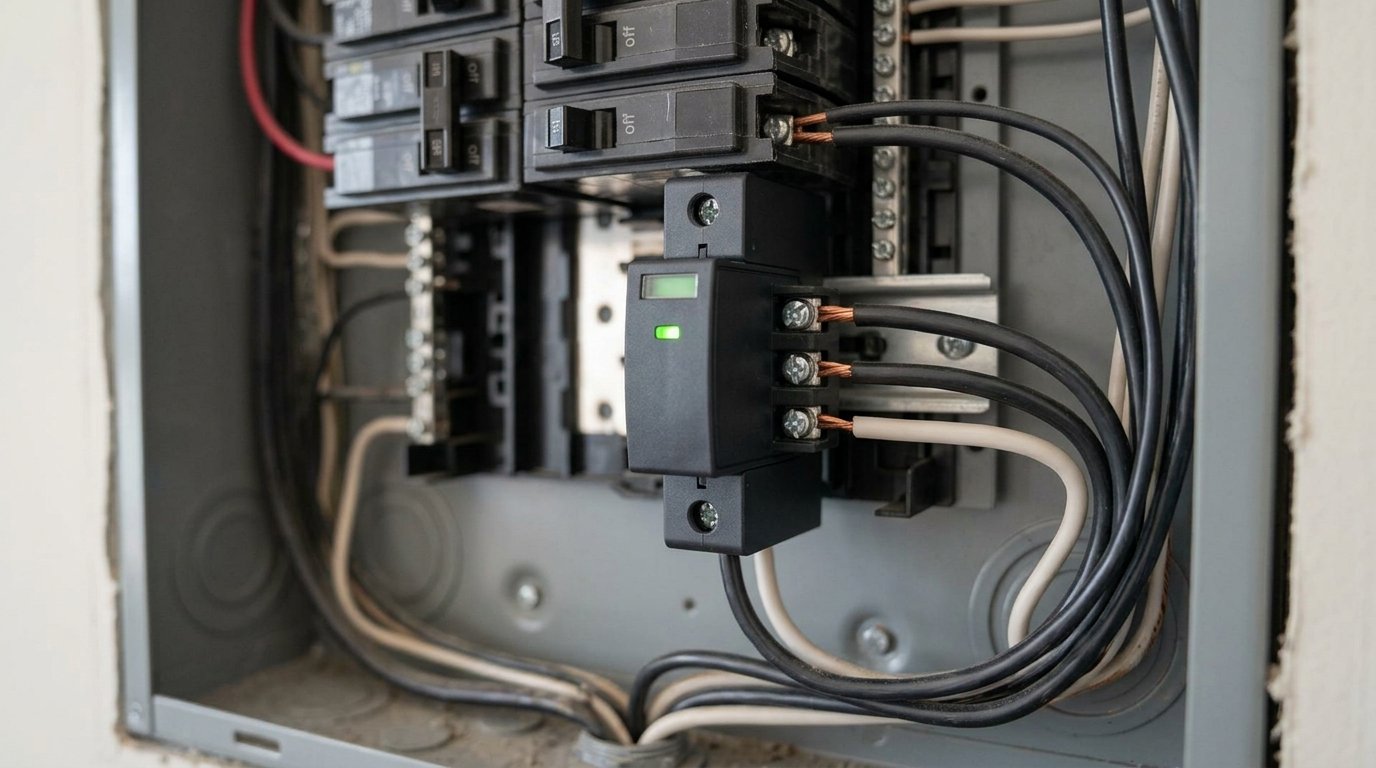
A panel-mounted SPD protects every circuit in the home from a single point.
Signs your home needs surge protection
Surge damage is often invisible until something fails. If any of these apply, it is worth protecting your home now.
Frequent Texas storms
If lightning and thunderstorms are common where you live, your home is taking surges you cannot see.
Lots of electronics
Smart home gear, TVs, computers, and gaming systems are exactly what surges damage first.
No protection at the panel
Power strips only guard what is plugged into them, leaving hardwired appliances and HVAC exposed.
Sensitive HVAC and appliances
Modern air conditioners, ranges, and washers rely on circuit boards that a surge can fry in an instant.
Lights flicker with storms
Flickering or brief dips during weather are signs of the voltage swings an SPD is built to absorb.
Power just came back on
Surges are common when utility power restores after an outage, a frequent event in North Texas.
Why whole house surge protection is worth it
For the cost of one damaged appliance, you can protect the entire home. Here is what you gain.
Protects every circuit
One panel-mounted device guards the whole home, not just a few outlets.
Saves HVAC and appliances
Shields the expensive control boards inside your AC, oven, and laundry.
Instant response
Diverts excess voltage to ground the moment a spike appears.
Guards your electronics
Helps TVs, computers, and smart home gear live their full life.
Cheaper than replacing
Far less than the cost of the electronics and appliances it protects.
Works in layers
Pairs with point-of-use protectors for sensitive devices.
Code-aligned
Reflects current code direction for surge protection on homes.
Set and forget
Always on, with a status light so you know it is working.
One storm should not cost you a houseful of electronics
We install whole house surge protection across Dallas. Get a free assessment and an honest quote.
(469) 327-8678How whole house surge protection actually works
A surge protective device works by watching the voltage on your electrical service and reacting the instant it rises above a safe threshold. When a spike hits, the SPD opens a path that diverts the excess energy to ground and away from your circuits, then closes again, all in nanoseconds. The key specifications are the clamping voltage, which is how tightly it holds the spike down, and the surge current rating, which is how large an event it can handle.
Placement and connection quality matter as much as the device. We install the SPD at or very close to the main panel and keep the connecting leads as short and straight as possible, because long or looped leads reduce how effectively the device clamps a fast spike. We also verify your grounding and bonding, since an SPD can only divert energy to ground if that ground path is solid. In some older Dallas homes, the grounding needs attention first.
There are two common types for homes. A Type 1 device can be installed on the line side, ahead of the main breaker, and a Type 2 device installs on the load side within the panel, which is the most common residential choice. We recommend the type and rating that match your service and your goals, and explain the difference in plain terms so you know exactly what you are getting.
Whole-house protection versus power strips, and why layers win
A plug-in surge strip is not the same as whole house protection, and the difference is bigger than most people think. A strip only protects the devices plugged into it, does nothing for your hardwired air conditioner, oven, or well pump, and the cheaper ones wear out quietly after absorbing a few hits. Relying on strips alone leaves the most expensive equipment in your home completely exposed.
The smarter model is layered protection. The whole house SPD at your panel takes the big hit first and knocks a large surge down to a fraction of its energy. Then quality point-of-use protectors at your most sensitive equipment, like a home office or media center, clean up the smaller residual spikes. Together they give far better protection than either layer alone.
We help you decide how many layers make sense for your home and budget. For many Dallas families, a properly installed panel SPD plus a couple of good point-of-use units at key locations is the sweet spot: strong protection without overspending on hardware you do not need.
Whole house surge protection
Every High Power surge protection install is a complete, code-aware job, not just a box clipped onto the panel.
- Free on-site assessment of your panel and service
- Right type and rating of surge protective device
- Clean install at or beside your main panel
- Short, direct leads for the best clamping performance
- Grounding and bonding verification
- Correctly rated breaker or connection for the SPD
- Point-of-use protection recommendations where useful
- Status indicator so you can confirm it is working
- Function test and panel labeling
- Walkthrough of what it protects and when to replace it
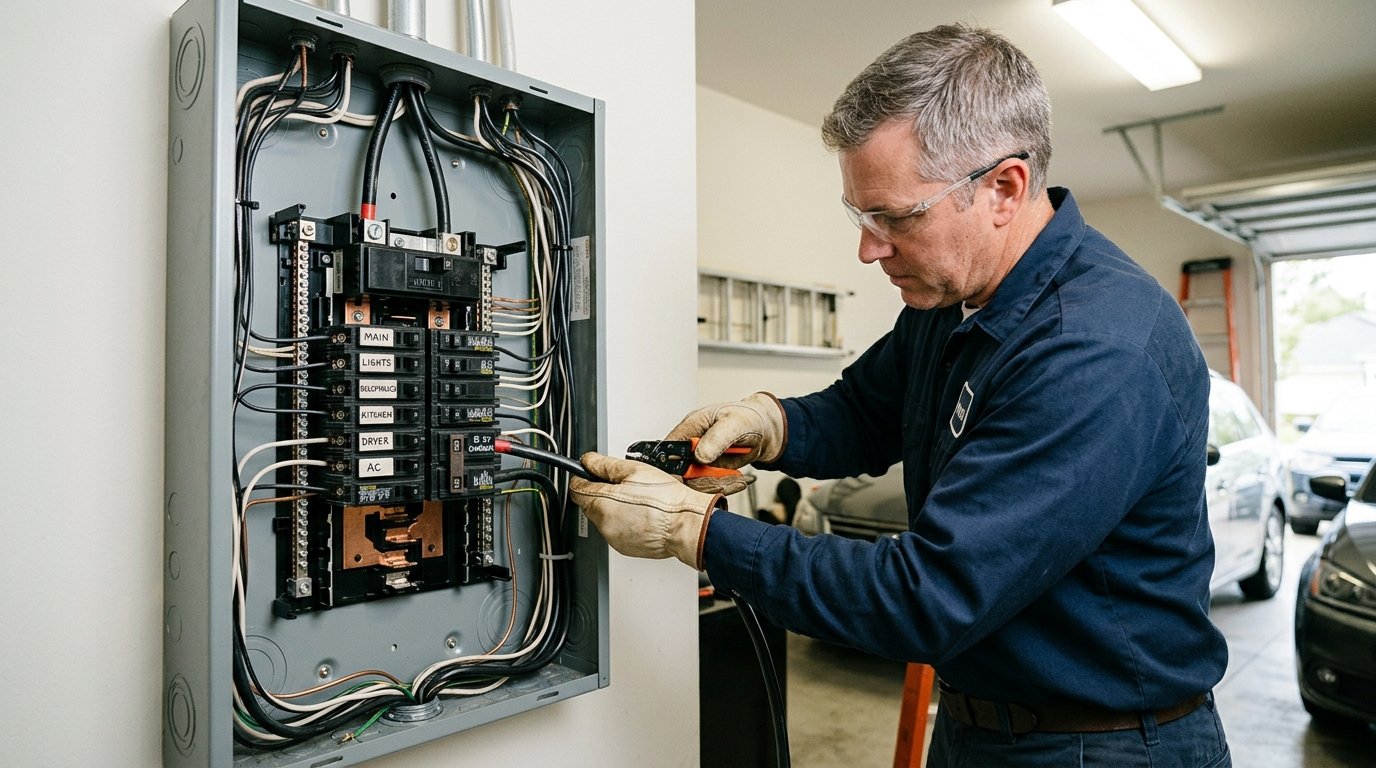
Power strips and DIY versus a whole house SPD
Surge strips have their place, but they are not whole-home protection. Here is the honest comparison.
DIY or unlicensed
- Only protects devices plugged into the strip
- Nothing for hardwired HVAC, range, or pumps
- Cheap strips wear out silently after a few surges
- DIY panel work on a live service is dangerous
- Easy to mount with long leads that reduce performance
- No grounding check, so protection may be undermined
Licensed electrician
- Protects every circuit from one point at the panel
- Guards hardwired appliances and HVAC boards
- Rated device with a status light you can monitor
- Installed safely and to code by a licensed electrician
- Short leads set for maximum clamping performance
- Grounding and bonding verified so the SPD can work
What affects the cost of surge protection
Pricing depends on your panel and goals, not a single number. These are the main factors.
Device type and rating
A higher surge current rating and a Type 1 line-side unit cost more than a standard Type 2 device.
Panel condition
An older or full panel may need a breaker space freed up or minor work to add the device cleanly.
Grounding upgrades
If grounding or bonding needs improvement first, that adds to the project but is essential for performance.
Point-of-use add-ons
Adding quality protectors at sensitive locations increases coverage and cost.
Mounting and access
How and where the device mounts relative to the panel affects labor.
Permit if required
Where a permit applies, the fee and inspection are part of a compliant install.
These are general planning ranges for the Dallas area, not a quote. Every job is different, so we give you a free on-site assessment and an honest written price before any work starts.
Our surge protection install process
From the first call to a protected home, here is how we handle it.
Free assessment
We review your panel, service, electronics, and grounding to recommend the right device.
Honest quote
You get a clear written price for the SPD and any needed grounding work before we start.
Pick the device
We match the type and rating to your home and explain the choice in plain terms.
Install at panel
We mount the SPD and connect it with short, direct leads for the best performance.
Verify grounding
We confirm grounding and bonding so the device can divert energy safely.
Test
We confirm the unit is live, the status indicator is good, and everything is labeled.
Walkthrough
We explain what it protects, the indicator light, and when an SPD should be replaced.
How long it takes and what to expect
A standard whole house surge protector install in Dallas takes about one to two hours. We shut power off briefly to land the device safely in your panel, then restore it and confirm everything is working. If grounding upgrades or panel work are needed first, the visit runs a little longer, and we will tell you that up front during the assessment.
When we are done, the SPD sits quietly in your panel with a status light that shows it is protecting your home. We show you that indicator, explain that a device which has absorbed a major surge may need replacement over time, and leave you with a clear picture of what is and is not covered.
Why surge protection matters for Dallas homes
North Texas weather is the main reason surge protection is so valuable here. The region sees frequent thunderstorms and a high rate of lightning activity through the warmer months, and even a strike that lands blocks away can push a damaging surge down the utility lines into your home. For families with a house full of modern electronics, that is a real and recurring risk.
The grid itself adds to the picture. During hot Texas summers the electrical system works hard, and the switching and load changes that come with high demand send small surges through the lines regularly. Power returning after an outage, which Dallas sees its share of, is another classic moment for a damaging spike.
Home wiring and grounding vary across the city, from established neighborhoods like Lakewood and Oak Cliff to newer construction in the north. Older homes sometimes need their grounding improved before an SPD can do its best work, which is exactly the kind of thing we check during the assessment rather than discovering later.
Because we install across the metro every week, we know how to match the device and the install to the home in front of us. The goal is simple: protection that fits your house, your electronics, and your budget, done right the first time.
The licensed Dallas team homeowners trust
Licensed pros
Texas TECL #38291 electricians, never subcontracted guesswork.
Upfront pricing
A written quote for the device and any grounding work before we start.
Code-first
Installed and grounded to NEC and Dallas requirements.
We answer 24/7
Real people on the phone, with fast scheduling.
Whole house surge protection FAQs
No device can guarantee protection against a direct strike, which carries enormous energy. What a whole house SPD does very well is handle the far more common surges from nearby strikes, grid switching, and appliances, which cause most surge damage over time. For best results we pair it with good grounding and point-of-use protection.
Not on its own. A power strip only protects what is plugged into it and does nothing for hardwired equipment like your HVAC, oven, or pumps. A whole house SPD at the panel protects every circuit, and you can add point-of-use protectors for sensitive devices on top of that.
It monitors the voltage on your service and, the instant a spike rises above a safe level, diverts the excess energy to ground and away from your circuits, then resets. It happens in nanoseconds. The key ratings are how tightly it clamps the voltage and how large a surge it can absorb.
At or right beside your main electrical panel. A Type 2 device installs on the load side within the panel, which is the most common home setup, while a Type 1 device can be installed ahead of the main breaker. We keep the leads short for the best performance.
An SPD needs no routine maintenance, but it is a sacrificial device. After absorbing a very large surge or many smaller ones over years, it can wear out. Most units have a status indicator light, and we show you how to check it so you know when a replacement is due.
Yes, that is one of its biggest advantages over power strips. Because it sits at the panel, it protects hardwired equipment like your HVAC, range, and laundry, all of which now rely on circuit boards that surges can destroy.
Current code direction has moved toward requiring surge protection on dwelling electrical services, especially when a panel is installed or replaced. Beyond any requirement, it is simply smart protection for a modern home full of electronics.
For your most sensitive equipment, layering helps. The panel SPD takes the big hit and a quality point-of-use protector at a home office or media center cleans up smaller residual spikes. Together they protect better than either alone.
Most installs take about one to two hours. We shut power off briefly to install the device safely, then restore it and test. If grounding upgrades are needed first, the visit runs a bit longer, which we explain during the assessment.
Very much. An SPD diverts surge energy to ground, so it can only work as well as your grounding and bonding allow. We verify the ground path during installation and address it first if an older home needs it.
Almost always. The cost of a whole house SPD is a fraction of replacing a single high-end appliance or a houseful of electronics after a bad surge, which is why so many Dallas homeowners see it as basic protection.
Yes. We provide a free on-site assessment of your panel, service, and grounding, so you get an accurate written quote before any work begins.