Aluminum Wiring Pigtailing in Dallas
Need aluminum wiring pigtailing in Dallas, TX (75247)? High Power Electrical Services makes aluminum branch wiring safer by adding copper pigtails with approved connectors at every outlet, switch, and device, reducing the connection overheating that makes 1960s and 1970s wiring a fire risk.
Quick Answer
Pigtailing connects a short length of copper wire, called a pigtail, to your existing aluminum wire at each device using a connector listed for aluminum-to-copper use, so the outlet or switch lands on copper instead of aluminum. It is a recognized way to reduce the connection overheating that makes aluminum branch wiring a fire hazard, performed by a licensed electrician with the correct connectors and torque.
Reduce the fire risk of aluminum branch wiring the right way
For a stretch of the late 1960s and early 1970s, copper prices pushed builders to wire many homes with solid aluminum branch circuits, the 15 and 20 amp circuits that feed your outlets, switches, and lights. Aluminum can carry current safely, but it behaves differently than copper at the connections, and that is where the trouble starts. It expands and contracts more with heat, it can slowly deform under the pressure of a screw terminal, and it oxidizes, all of which loosen connections over time.
A loose connection means resistance, resistance means heat, and heat at a device buried in a wall is exactly the condition that starts fires. Safety researchers found that homes with this older aluminum branch wiring were far more likely to develop fire-hazard conditions at outlets and switches than copper-wired homes. The wire in the wall is usually fine. The danger lives at the connection points.
It is important to separate two different things. The hazard is small-gauge aluminum branch wiring at devices. The large aluminum service-entrance and feeder cables used to bring power to a panel are a different, properly engineered application that remains common and safe. We confirm exactly what you have before recommending anything.
Where you do have aluminum branch wiring, pigtailing with approved connectors is a widely recognized remediation. We add a copper pigtail at every device using connectors listed for the job and tightened to the correct specification, so your outlets and switches connect to copper. For some homes a full rewire is the better long-term answer, and we will tell you honestly which path fits your situation.
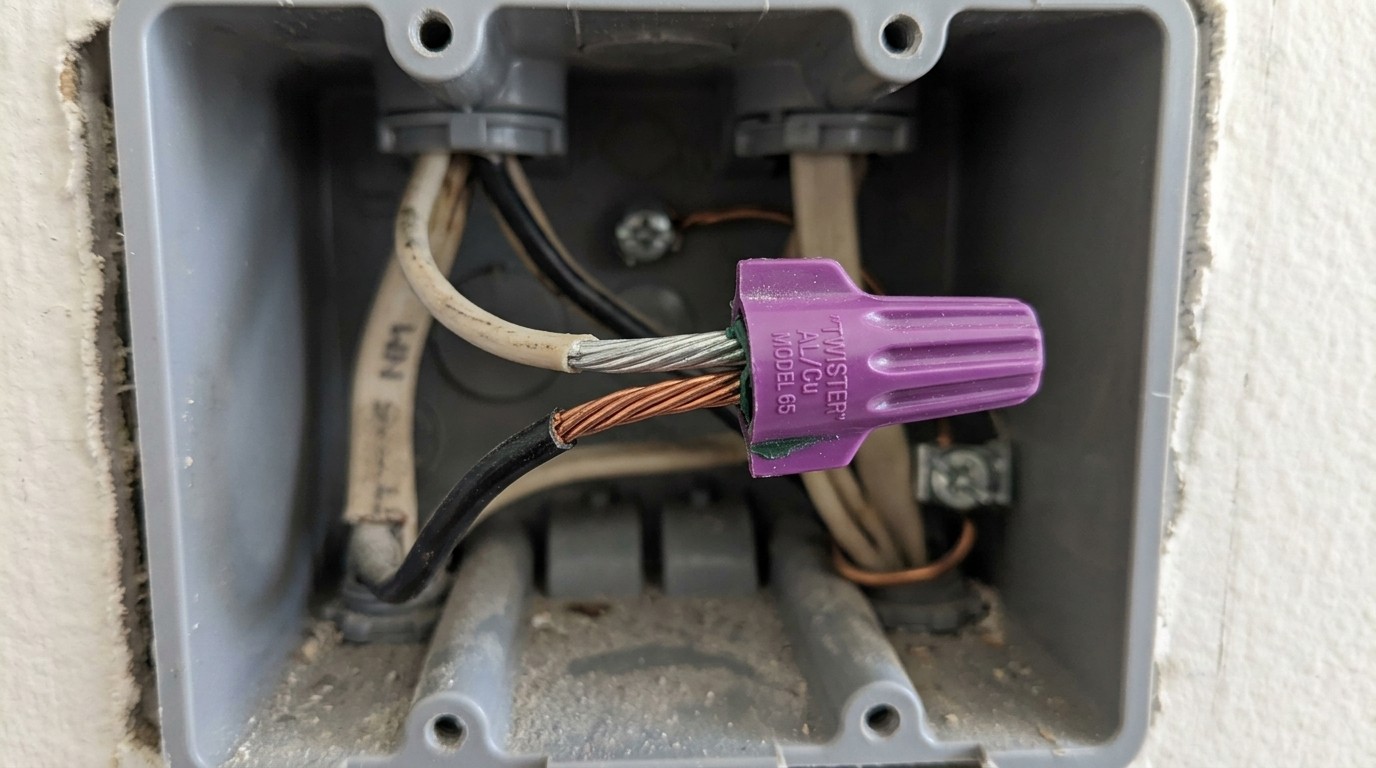
An approved connector and a copper pigtail move the device connection off bare aluminum.
Signs of aluminum wiring trouble
Aluminum branch wiring problems show up at the connections. If you notice any of these, do not wait.
Warm outlets or switches
A cover plate or device that feels warm is a classic sign of a loose, overheating aluminum connection.
Home built 1965 to 1973
Houses from this window were frequently wired with aluminum branch circuits.
Flickering lights
Lights that flicker or dim at a fixture can signal a degrading connection behind the wall.
Burning or plastic smell
Any scorched smell near an outlet or switch is urgent and means heat where there should be none.
Dead or intermittent outlets
Outlets that work sometimes often have a failing connection that needs attention.
Insurance flagged it
If an insurer or inspector noted aluminum branch wiring, approved remediation clears the path.
Why approved pigtailing is worth it
Done correctly, pigtailing meaningfully reduces risk for far less than a full rewire. Here is what you gain.
Lower fire risk
Moves the device connection off bare aluminum and onto copper with a listed connector.
Every device covered
We address each outlet, switch, and junction, not just the obvious ones.
Correct connectors
We use connectors listed for aluminum-to-copper, torqued to specification.
Costs less than rewiring
A practical option when a full copper rewire is more than you need.
Helps with insurance
Approved remediation often satisfies insurer concerns about aluminum wiring.
Protects resale
Documented remediation removes a common inspection red flag.
Code-aware work
Performed to current standards by a licensed electrician.
Often done in a day
Many homes can be addressed in a single visit, depending on device count.
Worried about aluminum wiring in your home?
We confirm what you have and remediate it with approved connectors. Get a free on-site assessment.
(469) 327-8678How aluminum wiring pigtailing actually works
The work happens at every connection point in the home. At each outlet, switch, light, and junction box, we shut off the circuit, open the box, and inspect the existing aluminum connection for signs of heat damage. We then join a short copper pigtail to the aluminum conductor using a connector specifically listed for aluminum-to-copper connections, and we tighten it to the manufacturer's torque specification. The device is then wired to the copper pigtail, which is what copper-rated outlets and switches are designed to land on.
The connector and the technique are everything. Ordinary wire nuts are not an appropriate fix for aluminum, and a connection that is too loose or overtightened can fail. We use connectors recognized for this purpose, such as AlumiConn lugs or the COPALUM crimp system where applicable, applied with the correct tools and torque so the joint stays sound. Where we find a connection that has already overheated, we address the damage, not just cover it.
We also use the visit to catch related issues. Older homes from this era sometimes have outlets and switches that were not rated for aluminum to begin with, backstabbed connections, or devices that are simply worn out. Because we are already in every box, it is the right moment to bring those up to a safe, consistent standard across the home.
Pigtailing or full rewire, and what about service cable
Pigtailing and a full copper rewire both solve the aluminum branch-wiring problem, and the right choice depends on your home and goals. Pigtailing is faster, less invasive, and far less expensive, and it directly targets the connection points where the hazard lives. A full rewire replaces the aluminum entirely with copper, which some homeowners prefer for total peace of mind or when they are already opening walls for a remodel. We lay out both honestly so you can choose with full information.
It is worth repeating the key distinction, because it causes a lot of needless worry. The concern is small-gauge aluminum branch wiring feeding your outlets and switches. The large aluminum service-entrance cable or feeders that may bring power into your panel are a separate, properly designed use of aluminum that is common and accepted. We identify exactly what your home has during the assessment so you are not paying to fix something that is not a problem.
Whichever route you take, the value is in doing it correctly and documenting it. Approved connectors, proper torque, every device addressed, and a clear record of the work are what protect your family day to day and satisfy insurers and buyers down the road.
Aluminum wiring pigtailing
Every High Power remediation is thorough and consistent, not a quick fix at a single problem outlet.
- Free on-site assessment to confirm aluminum branch wiring
- Copper pigtails at outlets, switches, lights, and junctions
- Connectors listed for aluminum-to-copper connections
- Connections torqued to manufacturer specification
- Inspection of each box for prior heat damage
- Replacement of devices not rated for the application
- Repair of any connection that has already overheated
- Clean, consistent work across the whole home
- Function test of every circuit touched
- Clear documentation of the remediation performed
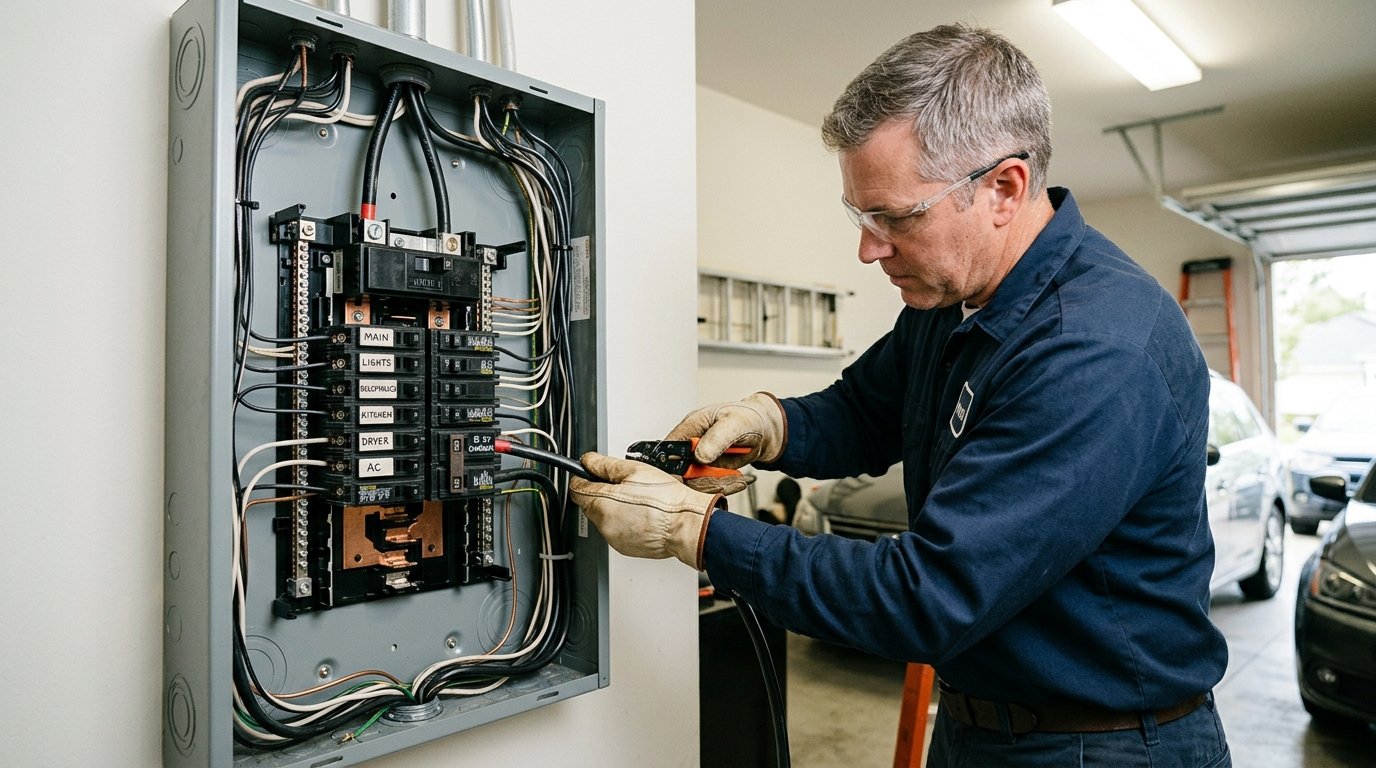
DIY wire nuts versus approved pigtailing
Aluminum is exactly where the wrong connector causes the very fire it is meant to prevent. Here is the honest comparison.
DIY or unlicensed
- Standard wire nuts not listed for aluminum
- Guesswork on tightness with no torque control
- Easy to miss boxes and leave hazards in place
- Overheated connections covered rather than repaired
- Worn or unrated devices left in service
- No documentation for insurance or resale
Licensed electrician
- Connectors listed for aluminum-to-copper use
- Each joint torqued to manufacturer specification
- Every device in the home addressed consistently
- Heat-damaged connections found and repaired
- Unrated or worn devices replaced as needed
- Documented remediation for insurers and buyers
What affects the cost of pigtailing
Pricing tracks the work involved, not a flat fee. These are the main factors.
Number of devices
More outlets, switches, and junctions mean more connections to remediate, the biggest cost driver.
Access to boxes
Furniture, finishes, and tight boxes affect how quickly each connection can be done safely.
Connector type
Different listed connector systems vary in cost and the labor to apply them.
Device replacement
Outlets and switches that are worn or not rated for the application may need replacing.
Existing damage
Connections that already overheated take extra work to repair properly.
Permit if required
Where a permit applies, the fee and inspection are part of compliant work.
These are general planning ranges for the Dallas area, not a quote. Every job is different, so we give you a free on-site assessment and an honest written price before any work starts.
Our aluminum wiring remediation process
From the first call to a safer home, here is how we handle it.
Free assessment
We confirm you have aluminum branch wiring and estimate the device count.
Honest options
We explain pigtailing versus a full rewire so you can choose with full information.
Written quote
You get a clear price for the agreed scope before any work begins.
Box by box
We de-energize each circuit, open every box, and inspect the connection.
Copper pigtails
We add copper pigtails with listed connectors torqued to specification.
Repair and replace
We fix any overheated connections and swap worn or unrated devices.
Test and document
We test each circuit, label the work, and document the remediation.
How long it takes and what to expect
Most aluminum pigtailing projects in an average Dallas home are completed in one day, sometimes two for larger homes with many devices. Because we work box by box, we can keep much of the home powered while we move through it, and we will give you a realistic time estimate based on the device count during the assessment.
We protect your floors and furnishings, work cleanly around each outlet and switch, and restore everything as we go. When we finish, every device in the home connects to copper through an approved connection, any heat-damaged spots are repaired, and you have clear documentation of the remediation for your insurer and your records.
Aluminum wiring in Dallas-area homes
A lot of Dallas grew during the building boom of the late 1960s and early 1970s, exactly the window when aluminum branch wiring was common. That means many single-family homes across the metro, especially in subdivisions built in that era, still have aluminum feeding their outlets and switches, often without the owner realizing it until an inspection or an insurer asks.
The Texas heat does this wiring no favors. Hot attics and walls mean more thermal cycling at every connection, which is the exact stress that loosens aluminum joints over the years. A home that seemed fine for decades can start showing warm outlets or flickering as connections finally degrade.
Insurance is often what brings homeowners to us. As carriers have grown more cautious about aluminum branch wiring, many now ask for documented remediation before they will write or renew a policy. Approved pigtailing commonly satisfies that requirement at a fraction of the cost of a full rewire, which is why it is such a practical fix for so many Dallas homes.
Because we handle these homes regularly, we know how to tell aluminum branch wiring from safe aluminum service cable, which devices in period homes tend to cause trouble, and how to remediate cleanly and consistently so the result holds up and documents well.
The licensed Dallas team homeowners trust
Licensed pros
Texas TECL #38291 electricians using approved connectors and torque.
Upfront pricing
A clear written price for the agreed scope before we start.
Code-aware
Remediation performed to current standards, every device covered.
We answer 24/7
Real people on the phone, with honest options.
Aluminum wiring pigtailing FAQs
Aluminum branch wiring is not dangerous because the wire is bad, but because its connections loosen and overheat over time. Safety research found homes with this wiring far more likely to develop fire-hazard conditions at outlets and switches. Approved remediation addresses exactly those connection points.
Common clues are a build date between 1965 and 1973 and warm outlets or switches. A solid giveaway is the wire itself, which is silver rather than copper-colored, often marked AL on the cable jacket. The reliable way to confirm and assess it is an inspection, which we provide.
Both address the hazard. Pigtailing targets the connection points where the danger lives, is far less invasive, and costs much less, while a full rewire replaces the aluminum entirely. We explain both honestly and recommend the right fit for your home and budget.
We use connectors listed for aluminum-to-copper connections, such as AlumiConn lugs or the COPALUM crimp system where applicable, applied with the correct tools and torque. Ordinary wire nuts are not an appropriate fix for aluminum.
Often, yes. Many insurers accept documented remediation with approved connectors. Requirements vary by carrier, so confirm with your insurer, but approved pigtailing is commonly what they are looking for, and we document the work.
No. The concern is small-gauge aluminum branch wiring at your outlets and switches. The large aluminum service-entrance cable or feeders that bring power to a panel are a different, properly engineered use that is common and safe. We identify which you have.
We do not recommend it. Aluminum remediation depends on the right listed connector and correct torque, and a connection that is loose or overtightened can fail and overheat. This is work for a licensed electrician using approved methods.
Most homes are done in a day, with larger homes taking two. Because we work box by box, we can keep much of the home powered while we go. We give you a realistic estimate based on the device count during the assessment.
It can, depending on the scope and local requirements. Where a permit applies, we handle it and the inspection so the remediation is documented and compliant, which also helps with insurance and resale.
Yes. Aluminum branch wiring is a frequent inspection finding that can worry buyers and their insurers. Documented, approved remediation removes that red flag and protects your home's value.
We repair it properly rather than just covering it. Because we open every box during the remediation, we catch and address heat-damaged connections and replace any devices that are worn or were not rated for aluminum.
Yes. We provide a free on-site assessment to confirm you have aluminum branch wiring and estimate the device count, so you get an accurate written quote before any work begins.