Underground Electrical Cable Repair in Dallas
Need underground electrical cable repair in Dallas, TX (75247)? High Power Electrical Services locates buried faults and repairs underground feeders, conduit, and outdoor circuits to code, restoring power to detached garages, landscape lighting, pools, and more, the safe way.
Quick Answer
Underground cable repair means finding and fixing a fault in buried wiring, whether that is a feeder to a detached garage, a landscape or pool circuit, or an underground service. Because the damage is hidden, the work starts with locating the fault precisely, then a careful, code-compliant repair using burial-rated materials. A licensed electrician does this safely, including calling for utility line locates before any digging.
Buried faults are hidden, so finding them is half the job
Underground wiring is convenient and out of sight, right up until something goes wrong. When a buried cable faults, you usually notice the symptom rather than the cause: a detached garage suddenly has no power, the landscape lighting goes dark, the pool equipment trips its breaker, or an outdoor circuit simply will not reset. The wire is fine somewhere and damaged somewhere else, and the trouble is hidden under your yard.
Buried cable gets damaged in a handful of common ways. Someone digs into it while planting, fencing, or landscaping. Tree roots grow against it over the years. Water finds its way into a nicked jacket or a failing splice. Rodents chew it, or the insulation simply breaks down with age. In our region, soil movement adds its own stress as the ground swells and shrinks with moisture, working against cables and conduit over time.
The key to a fast, affordable repair is precise fault location. Rather than digging up the whole run, we use testing and cable fault-locating methods to pinpoint where the problem is, so the excavation is small and targeted. That protects your yard and keeps the job efficient, instead of trenching blindly and hoping to find the break.
Once we find it, we repair or replace the damaged section with burial-rated cable or conduit, splice it correctly with materials made for wet, buried conditions, bury it to the depth code requires, and test the circuit before we backfill. And before any shovel goes in the ground, we have the utility lines located so the dig is safe.
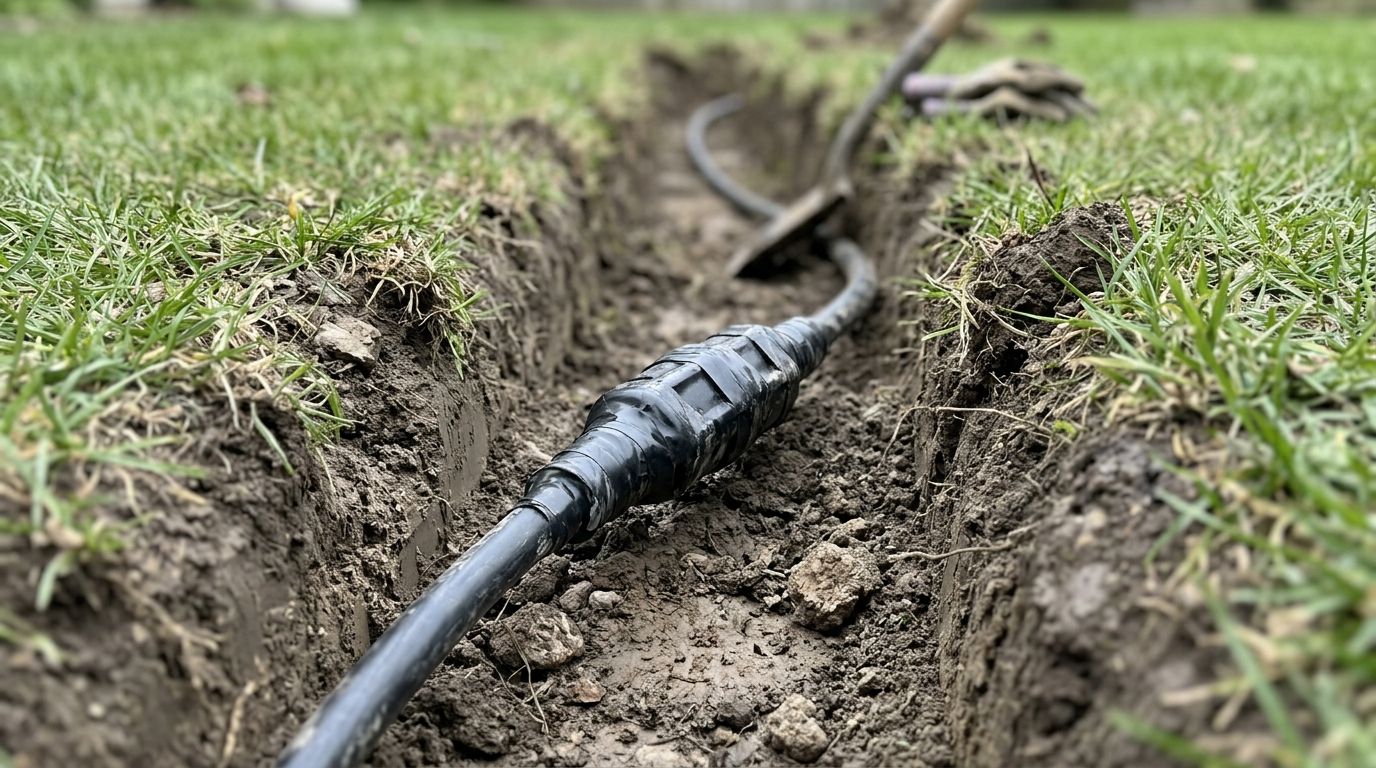
Buried repairs use splices and materials rated for wet, underground conditions.
Signs of an underground cable fault
Buried damage shows up as outdoor power problems. If you notice any of these, have it diagnosed.
Detached building lost power
A garage, shop, or shed that suddenly has no power often has a faulted underground feeder.
Outdoor breaker keeps tripping
A breaker on a buried circuit that trips or will not reset is responding to a fault in the line.
Landscape lighting is dead
Buried low-voltage or line-voltage lighting that goes dark may have a damaged underground run.
Pool equipment faulting
Pool and spa equipment that loses power or trips can point to a fault in its underground circuit.
Recent digging nearby
If power failed after landscaping, fencing, or excavation, a cable was likely struck.
Intermittent outdoor power
Power that comes and goes to an outdoor area suggests a degrading buried connection.
Why a professional underground repair matters
Buried electrical work has to be located, repaired, and protected correctly. Here is what you gain.
Precise fault location
We pinpoint the damage so the dig is small and targeted, not a yard-wide trench.
Less yard disruption
Targeted excavation protects your landscaping and hardscape.
Waterproof repairs
Splices and materials rated for wet, buried conditions hold up over time.
Buried to code depth
Repairs are buried to the required depth so they are protected and compliant.
Safe digging
Utility lines are located before we dig to avoid a dangerous strike.
Power restored
Detached buildings, lighting, and pool circuits work reliably again.
Permitted work
Repairs are done to code and inspected where required.
Efficient repair
Finding the fault first keeps the job faster and more affordable.
Lost power to a detached building or outdoor circuit?
We locate the buried fault and repair it the right way. Get a free on-site assessment.
(469) 327-8678How underground cable repair actually works
The first move is always safe digging. Before any excavation, the utility lines must be located and marked, which is the law and simple common sense, since striking a gas or electric line is dangerous and expensive. We handle that step so the work area is cleared before a shovel touches the ground.
Then we locate the fault. Rather than guessing, we use insulation testing and cable fault-locating techniques to narrow the problem to a specific spot along the run. This is the part that separates a clean repair from a torn-up yard. With the fault pinpointed, we open only the area we need, exposing the damaged cable or conduit with care for your landscaping, driveway, or patio.
Finally we make a lasting repair. Depending on what we find, we splice the damaged section or replace a length of cable or conduit using materials rated for direct burial and wet locations, so the repair does not become the next failure point. We bury it to the depth code requires for that cable type, test the circuit to confirm the fault is gone, then backfill and restore the surface. Where a permit applies, we handle it and the inspection.
Direct burial, conduit, depth, and safe digging
Not all underground wiring is the same. Some circuits use direct-burial cable made to sit in the soil, while others run inside conduit that protects the conductors and makes future repairs easier. Each has its own code-required burial depth, and the right choice depends on the circuit, the location, and whether it crosses under a driveway or other hardscape. When we repair or replace a run, we use the correct method and depth so it is both protected and compliant.
Safe digging is not optional. Calling for utility line locates before excavating is required by law in Texas, and for good reason. Buried gas, electric, water, and communication lines share the same ground as your circuits, and hitting one can cause injury, outages, or a serious incident. We always have lines located and marked first, then dig carefully around them.
Local soil is the quiet factor behind a lot of underground failures here. The expansive clay common across the Dallas area swells when wet and shrinks when dry, and that constant movement stresses buried cable and conduit, works splices loose, and can crack rigid runs over the years. We account for that when we repair, choosing methods and materials that tolerate ground movement so the fix lasts.
An underground cable repair
Every High Power underground repair is located, repaired, and protected correctly, not a blind dig.
- Utility line locates arranged before any digging
- Precise fault location to limit excavation
- Targeted, careful digging around the fault
- Splice or replacement with burial-rated materials
- Conduit or direct-burial method as appropriate
- Repair buried to the code-required depth
- Waterproof connections for wet conditions
- Circuit testing to confirm the fault is cleared
- Backfill and surface restoration
- Permit and inspection handled where required
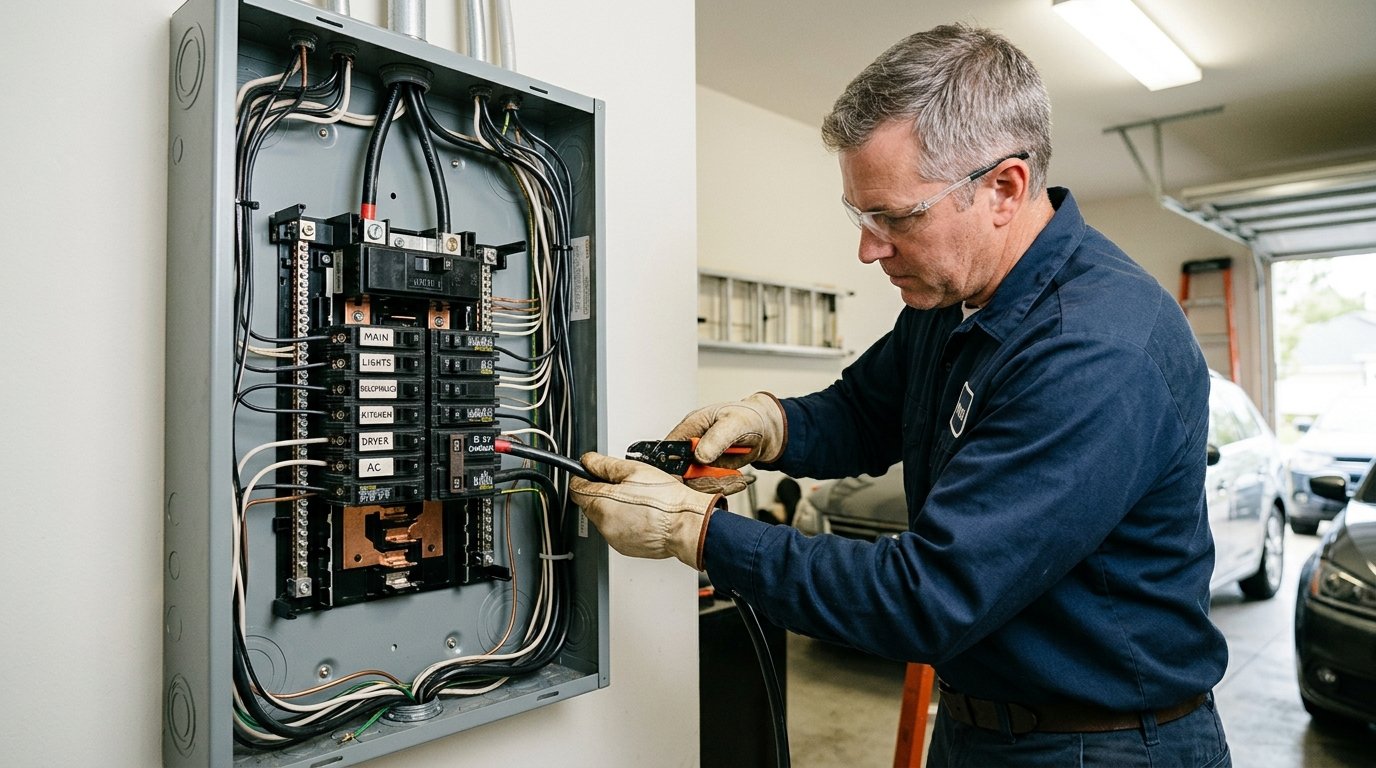
Digging blind versus a located repair
Underground work without locating lines or the fault is risky and destructive. Here is the honest comparison.
DIY or unlicensed
- Digging without locating utility lines first
- Trenching the whole run hoping to find the break
- Tearing up more yard and hardscape than needed
- Splices not rated for wet, buried conditions
- Cable buried too shallow or unprotected
- Unpermitted work that fails inspection
Licensed electrician
- Utility lines located and marked before digging
- Fault pinpointed so only one spot is opened
- Landscaping and hardscape protected
- Burial-rated, waterproof splices and materials
- Buried to the code-required depth and protected
- Permitted and inspected where required
What affects the cost of underground repair
Pricing depends on the find and the dig, not a flat fee. These are the main factors.
Fault location difficulty
An easy-to-find fault costs less to locate than one spread along a long, complex run.
Length and depth
A short, shallow repair is faster than a long or deeply buried run.
Access and surface
Repairs under a driveway, patio, or mature landscaping take more work to reach and restore.
Conduit or direct burial
Whether the run is in conduit or direct buried affects the repair method and materials.
Repair or replace
Splicing one spot is less than replacing a full run that has failed in multiple places.
Permit if required
Where a permit applies, the fee and inspection are part of compliant work.
These are general planning ranges for the Dallas area, not a quote. Every job is different, so we give you a free on-site assessment and an honest written price before any work starts.
Our underground repair process
From the first call to restored power, here is how we handle it.
Free assessment
We review the symptom and the circuit to plan the diagnosis.
Locate utilities
We arrange utility line locates so the dig area is safe and marked.
Pinpoint the fault
We use testing and locating methods to find the damage precisely.
Honest quote
You get a clear price for the located repair before we excavate.
Targeted dig
We open only the area we need, protecting your yard and hardscape.
Repair to code
We splice or replace with burial-rated materials at the correct depth.
Test and restore
We test the circuit, backfill, restore the surface, and inspect if required.
How long it takes and what to expect
Underground repairs vary more than most jobs because so much depends on locating the fault and reaching it. A straightforward fault in soft ground can be located and repaired in a day, while a fault under a driveway or spread along a long run takes longer. We always locate before we dig, so the excavation itself is as small as possible, and we give you a realistic estimate once we understand the situation.
We protect your property throughout, opening only what we must, and we restore the surface when we are done. When the repair is complete, the circuit is tested, buried to code depth, and made with materials built for wet, underground conditions, so you are not back out there next season chasing the same problem.
Underground wiring challenges in Dallas
A lot of newer Dallas-area neighborhoods use underground residential distribution rather than overhead lines, and homes everywhere have buried circuits for detached garages, landscape lighting, pools, and outdoor outlets. That means there is a lot of cable in the ground, and a lot of opportunity for it to be damaged by digging, roots, or time.
The region's expansive clay soil is a real factor. It swells with rain and shrinks in drought, and that constant movement is hard on anything buried in it. Over the years it can stress cable, loosen splices, and crack rigid conduit, which is why some underground faults appear long after the original install with no obvious cause.
Heavy North Texas rains add water to the equation. Moisture is the enemy of a compromised cable, and a small nick or a marginal splice that held up dry can fault once water reaches it. After a wet stretch, outdoor and detached circuit problems are a common call.
Because we repair underground circuits across the metro, we know the local soil behavior, the safe-digging requirements, and how to locate and fix buried faults with minimal disruption to your yard. The goal is power restored and a repair that holds up to Dallas ground and weather.
The licensed Dallas team homeowners trust
Licensed pros
Texas TECL #38291 electricians who locate before they dig.
Upfront pricing
A clear written price for the located repair before we excavate.
Code-first
Burial-rated repairs at the correct depth, inspected where required.
We answer 24/7
Real people on the phone, with fast scheduling.
Underground cable repair FAQs
We use insulation testing and cable fault-locating methods to pinpoint where the damage is along the run. That lets us open only a small, targeted area instead of trenching the entire length, which protects your yard and keeps the repair efficient.
Common causes are digging into it during landscaping or fencing, tree roots, water reaching a nicked jacket or failing splice, rodent damage, age, and soil movement. In our area, expansive clay that swells and shrinks adds stress to buried runs over time.
Always. Having utility lines located and marked before excavating is required by law in Texas and is essential for safety. We arrange the locates so the dig area is cleared before any shovel goes in the ground.
Often, yes. A detached building that suddenly loses power frequently has a faulted underground feeder, especially if the breaker trips or will not reset. We diagnose the circuit to confirm and locate the fault.
It depends on what we find. A single fault can often be repaired by splicing in a section with burial-rated materials. If a run has failed in multiple places or is badly degraded, replacing the run is the better long-term answer. We recommend honestly.
When done correctly, yes. We use splices and connectors rated for direct burial and wet locations, which are built to stay sealed underground. The wrong materials are exactly what causes a repair to fail again, so this matters.
It depends on the cable type and whether it is direct buried or in conduit, and code sets the required depth for each. When we repair or replace a run, we bury it to the proper depth so it is protected and compliant.
We work to minimize it by locating the fault precisely and opening only the area we need, then restoring the surface. Repairs under a driveway or patio require more work to reach, which we explain up front.
That is a classic sign of water reaching a compromised cable or splice. A small nick or marginal connection can hold up dry but fault once moisture gets in. It points to underground damage that should be located and repaired.
It can, depending on the scope and whether it involves a service or feeder. Where a permit applies, we handle it and the inspection so the work is documented and compliant.
A straightforward fault in soft ground can be located and repaired in a day, while a fault under hardscape or along a long run takes longer. We locate before digging to keep excavation minimal and give you a realistic estimate.
Yes. We provide a free on-site assessment to evaluate the circuit and plan the diagnosis, so you get an accurate written quote before any excavation begins.