When Does Your Dallas Home Need an Electrical Safety Inspection?
The times your home needs an electrical inspection, what one covers, and why it is one of the smartest, lowest-commitment things you can do for your home.
Quick Answer
Schedule an electrical safety inspection when you are buying or selling a home, when an older home has never been checked, after warning signs like trips, flickers, warm outlets, or burning smells, before a major remodel or adding a big load like an EV charger, or when an insurer asks. An inspection turns unknowns into a clear picture and catches small problems while they are still cheap and easy to fix.
What an electrical inspection is, and why it matters
An electrical safety inspection is a professional, systematic check of your home's wiring, panel, outlets, and safety devices against current code. Think of it as a physical for your home's electrical system: a qualified electrician looks at what you cannot see, identifies hazards and code issues, and gives you a clear picture of what is sound and what needs attention.
It is one of the most valuable and lowest-commitment things an electrician can do for you, because it replaces guesswork with knowledge. Many of the most serious electrical problems, loose connections, overloaded panels, deteriorating old wiring, develop quietly and out of sight, and an inspection is how you find them early, before they become dangerous or expensive.
The question, then, is not whether inspections are useful but when you actually need one. Below are the clear occasions that call for an inspection, the warning signs that mean you should not wait, what a good inspection covers, and why it pays off, especially in Dallas's many older homes.
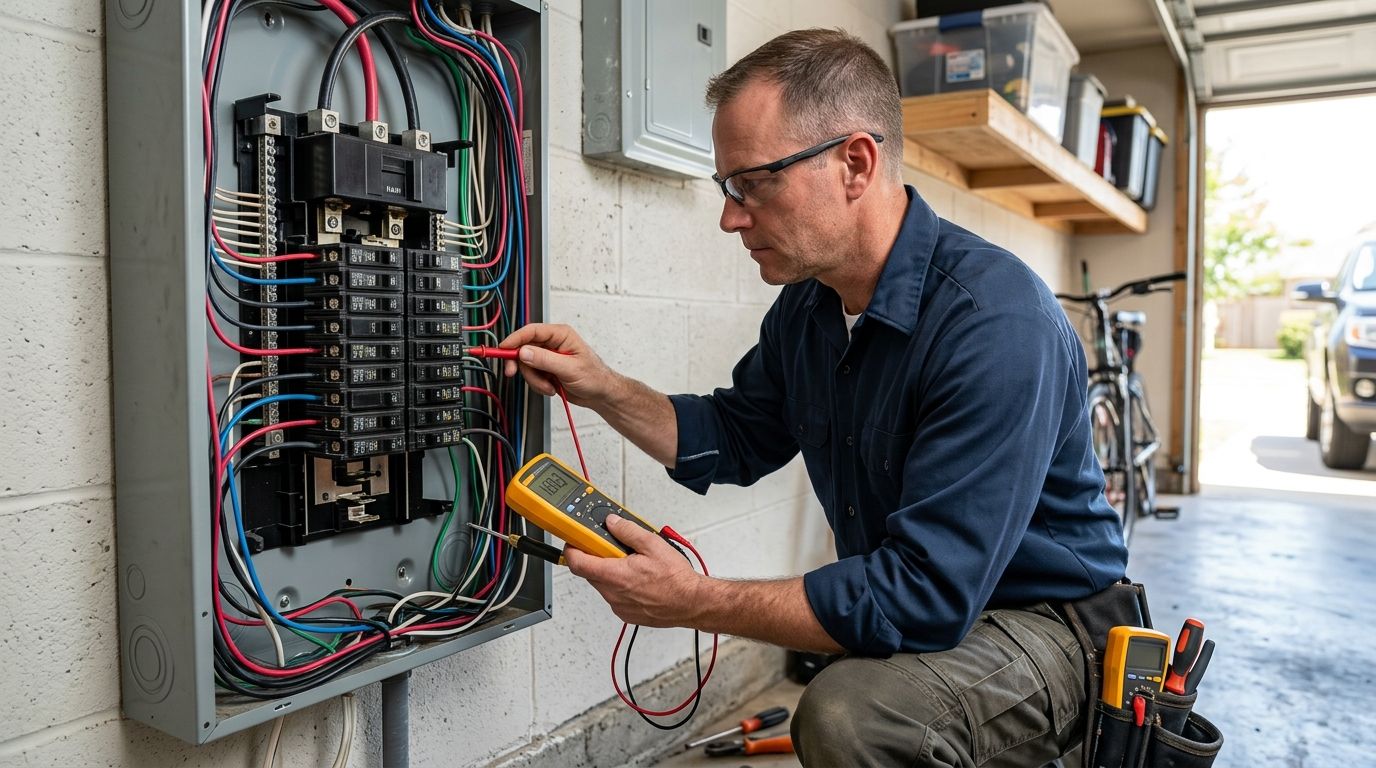
An inspection checks what you cannot see, from the panel to the wiring to safety devices.
Warning signs that call for an inspection now
Any of these means you should not wait to have your system checked.
Frequent breaker trips
Breakers that trip repeatedly without a clear overload point to a problem that an inspection can pinpoint.
Flickering or dimming lights
Widespread flickering or dimming can signal loose connections or a strained panel worth a professional look.
Warm outlets or a burning smell
Warm or discolored outlets and switches, or any burning odor, are urgent signs that deserve an immediate inspection.
Two-prong or old wiring
Ungrounded two-prong outlets, or knob-and-tube and cloth wiring, are reasons to have the system evaluated.
Buzzing or repeated bulb burnouts
A buzzing panel or outlet, or bulbs that burn out unusually fast, can indicate wiring or connection problems.
An older, never-checked home
If your home is decades old and has never had its electrical inspected, it is overdue regardless of symptoms.
What an electrical inspection covers
A thorough inspection looks at your whole system. It starts at the panel, checking its capacity, condition, breakers, and connections, then works outward to the wiring, outlets, and switches throughout the home. The electrician looks for overloads, loose or damaged connections, improper past work, and wiring that is aging or unsafe.
It also covers the safety devices that protect you. That means confirming ground-fault protection where code requires it, checking grounding and bonding, and verifying that smoke and carbon monoxide detectors are present and working. In older homes, it flags aluminum or knob-and-tube wiring and undersized service.
What you get at the end is the real value: a clear, honest picture of your home's electrical health, what is safe, what needs attention now, and what can wait. A good inspection comes with plain-language findings and recommendations, not a scare tactic, so you can make informed decisions about your home.
Want a clear picture of your home's electrical health?
We inspect thoroughly, document what we find, and give you honest recommendations and a written quote.
(469) 327-8678Buying or selling? Why an inspection pays off
Electrical inspections matter most around a sale, and a standard home inspection is not a substitute. A general home inspector gives the electrical system a brief, visual once-over, but does not evaluate it in depth, test it thoroughly, or assess capacity and code compliance the way a licensed electrician does. For an older Dallas home especially, that gap can hide real issues.
For buyers, a dedicated electrical inspection before closing is leverage and peace of mind: it tells you what you are really buying and what it may cost to make safe, which you can factor into the deal. Knowing in advance about an aluminum wiring issue or a panel that needs upgrading is far better than discovering it after you own the home.
For sellers, an inspection, and addressing what it finds, removes a common obstacle before it can stall a deal or become a negotiating point against you. A clean, documented electrical system reassures buyers and protects your asking price. Either way, knowledge beats surprises.
Skipping it vs a professional inspection
Hoping for the best leaves hazards hidden. An inspection brings them to light.
DIY or unlicensed
- Assuming the wiring is fine because nothing has failed yet
- Relying on a general home inspector's brief glance
- Putting off a check on a decades-old, never-inspected home
- Finding out about hazards only after a problem
Licensed electrician
- Get a thorough, code-based inspection by a licensed electrician
- Have the panel, wiring, and safety devices actually tested
- Receive clear, written findings and honest recommendations
- Catch hazards early, while they are cheap to fix
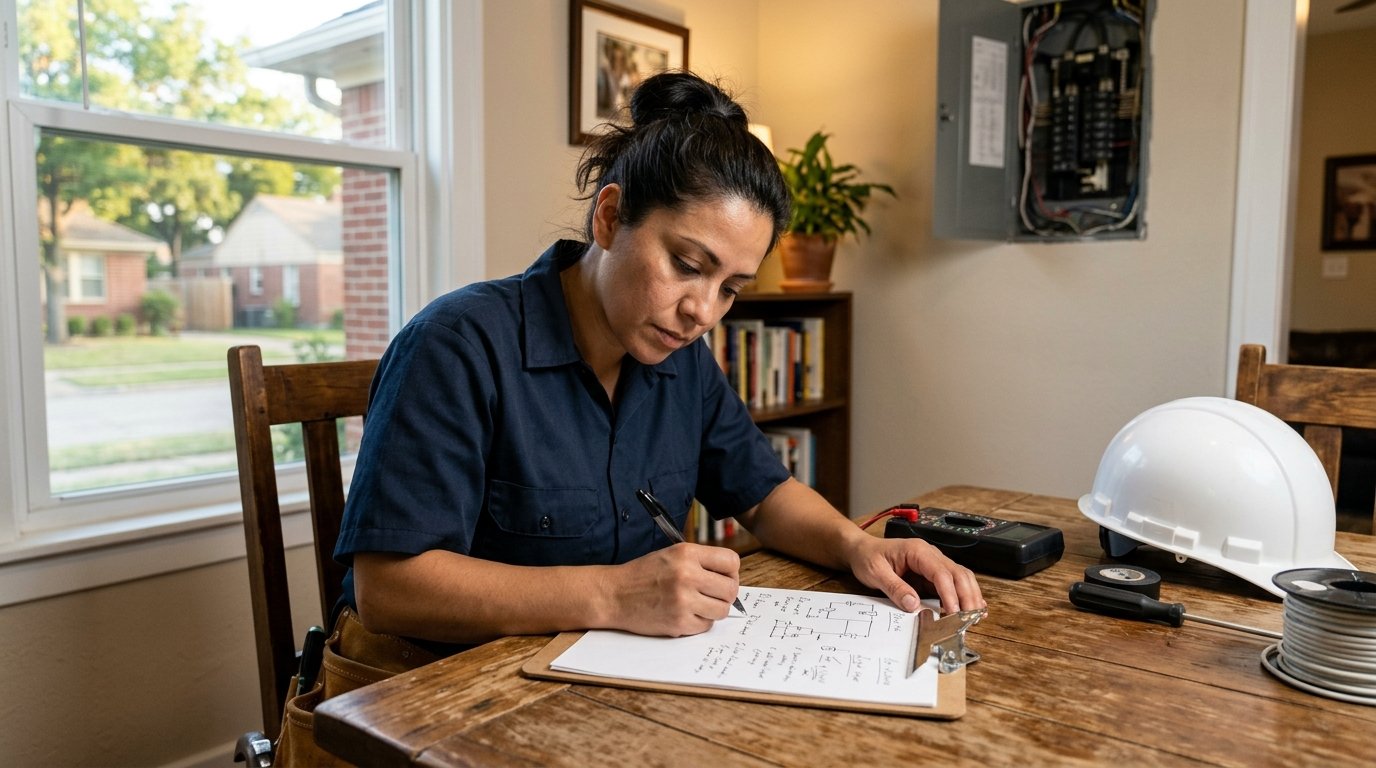
A good inspection ends with plain-language findings, not a scare tactic.
Inspections and older Dallas homes
Dallas is full of homes old enough that an inspection is simply wise. Across the city's established neighborhoods, original panels, decades-old wiring, and past unpermitted work are common, and the only way to know what you actually have is to look. An inspection is the honest first step before any larger decision about rewiring or upgrades.
It is also the smart move before you add a major load. Planning an EV charger, a new HVAC system, a hot tub, or an addition? An inspection and load assessment confirm whether your service can support it, so you build on a sound foundation rather than discovering a shortfall midway. It often saves money by getting the sequence right.
Above all, our inspections are honest. We tell you what is safe and what is not, separate the urgent from the eventual, and never invent work to sell. Whatever your Dallas neighborhood and whatever your home's age, the goal is a clear picture and your peace of mind, with a written report you can rely on.
Our inspection process
A clear, honest path from walkthrough to a written report you can trust.
Walk and assess
We review your concerns and visually assess the panel, wiring, outlets, and service.
Test and document
We test circuits, protection, and connections, and document the condition of the system.
Clear written report
You get findings in plain language, with what is safe, what needs attention, and what can wait.
Honest recommendations
We explain your options and priorities, with no pressure and no invented work.
Electrical inspection FAQs
Get one when buying or selling a home, when an older home has never been inspected, after warning signs like trips, flickers, warm outlets, or burning smells, before a major remodel or adding a big load like an EV charger, or when an insurer requests it. Each is a point where knowing your system's condition matters.
It covers the panel and its capacity, the wiring, outlets, and switches, grounding and bonding, ground-fault protection, and smoke and carbon monoxide detectors, checking everything against code. In older homes it also flags aluminum or knob-and-tube wiring and undersized service. You receive clear findings at the end.
It is strongly worth it, especially for an older home. A general home inspection only glances at the electrical system, while a dedicated inspection by a licensed electrician tells you what you are really buying and what it may cost to make safe, which is valuable leverage before you close.
Not for the electrical system. A general home inspector gives it a brief visual review but does not test it in depth or assess capacity and code compliance the way a licensed electrician does. For peace of mind, especially in an older home, a dedicated electrical inspection fills that gap.
If a decades-old home has never been inspected, it is overdue now. Beyond that, an inspection is wise at purchase, after any major electrical event, before adding large loads, and periodically for very old systems. When in doubt, an inspection is a low-cost way to stay ahead of problems.
It is a smart step. A big new load depends on your panel and service having capacity, and an inspection with a load assessment confirms whether they do before you commit. Getting the sequence right often saves money and avoids surprises midway through a project.
It can. Insurers sometimes ask about older wiring or want assurance a home is electrically sound, and a documented inspection, plus addressing any issues found, helps answer those concerns. We provide written findings you can share with your insurer.
A typical home inspection takes a couple of hours depending on size and age, and the cost is modest relative to the problems it can catch. Because homes vary, we are glad to give you a clear price up front, and the value is in catching small issues before they become big ones.
We explain it plainly, tell you whether it is urgent or can wait, and lay out your options with an honest written quote, with no pressure and no invented work. The choice of what to address, and when, is always yours.